Building the future of the ocean.
Using technology to pioneer a sustainable coexistence with the ocean
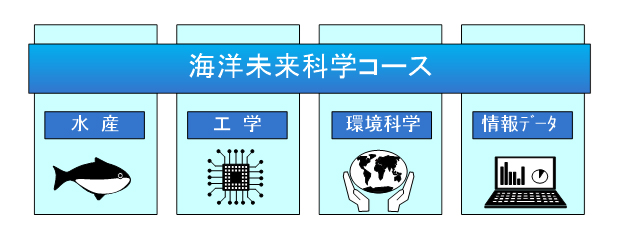
As marine development is set to expand on a global scale, we must address numerous challenges, including the development of next-generation offshore aquaculture systems utilizing IoT, the development of renewable energy sources such as offshore wind power and tidal power, wide-area marine exploration using underwater drones, the development of food and pharmaceuticals derived from marine organisms, and the assessment of the ecological impact of microplastics. The Program for Frontiers of Marine Science integrates research with high levels of expertise in the fields of engineering, fisheries science, environmental science, and information science to conduct practical research utilizing marine fieldwork.
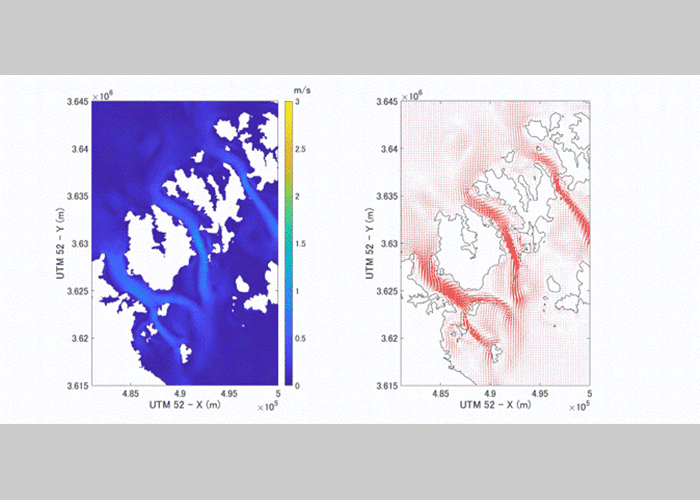
Simulation of Goto Island’s Ocean Currents Using Large-Scale Numerical Analysis
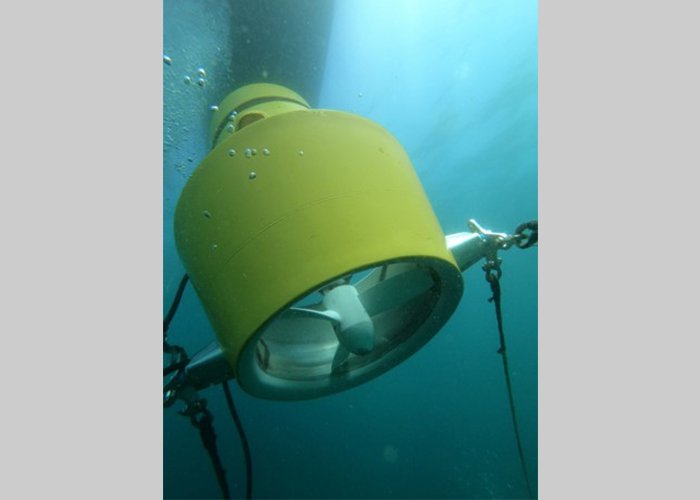
Development of High-Efficiency Tidal Turbines Using AI
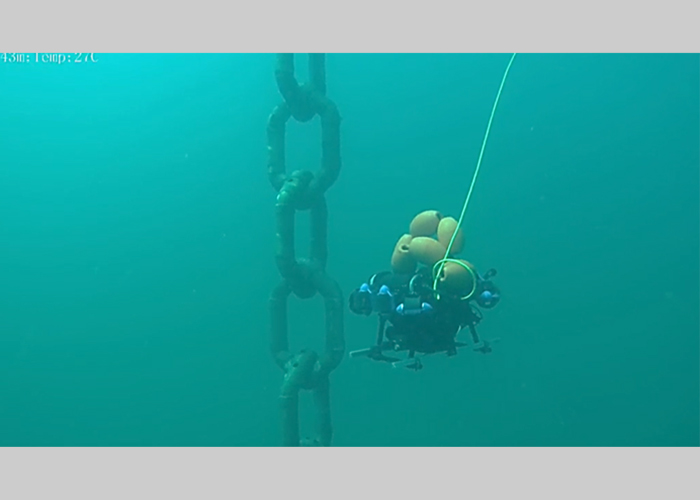
Automatic Tracking Test of a Floating Mooring Line (Simulation Model) Using an Underwater Drone
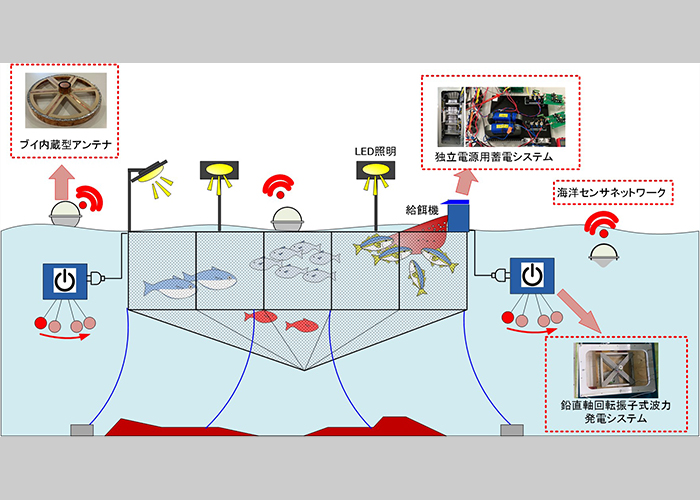
A Marine Sensor Network for Offshore Aquaculture Pens Utilizing Ocean Renewable Energy and Seawater Monitoring
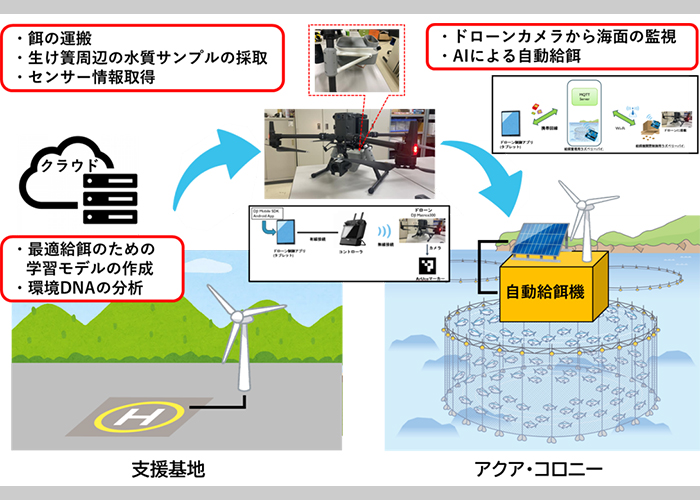
We are conducting research aimed at realizing “smart aquaculture” (the Aqua Colony Concept), which enables fully automated management, maintenance, and operation of aquaculture facilities without human intervention, with the goal of improving the sustainability and productivity of the aquaculture industry. If this concept is realized, it is expected to reduce the labor burden through labor-saving measures and automation, thereby alleviating the burden on workers. Furthermore, it will enable rational and systematic aquaculture based on accumulated data, rather than relying on intuition.
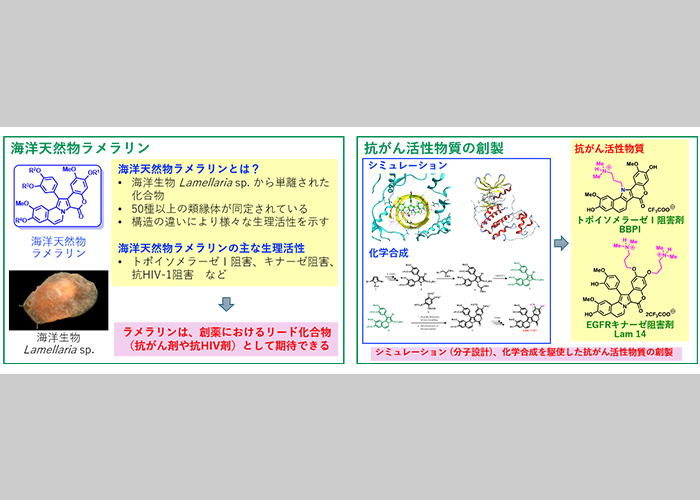
Development of Anticancer Agents Based on the Marine Natural Product Lamellarine
Marine natural products contain many useful bioactive compounds and are attracting attention from the perspective of drug development. Lamelarin, isolated from a species of marine organism, has over 50 known analogues. It exhibits various biological activities, including topoisomerase I inhibition, protein kinase inhibition, and anti-HIV activity, and is therefore the subject of active research. Focusing on the biological activities of these lamelarin compounds, we are developing anti-cancer agents and anti-HIV agents.
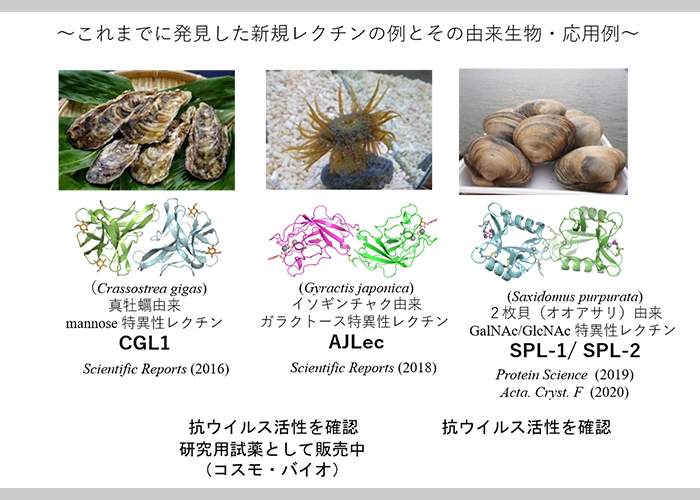
Discovery of Novel Lectins and Their Applications
We are conducting research to identify lectins—proteins involved in innate immunity—from marine invertebrates, and to analyze the structures and functions of the newly discovered lectins.
In our functional analysis of these novel lectins, we measure their antiviral activity against various viruses.
For lectins confirmed to possess useful activity, we are conducting applied research aimed at utilizing them as tools for drug discovery and viral research.
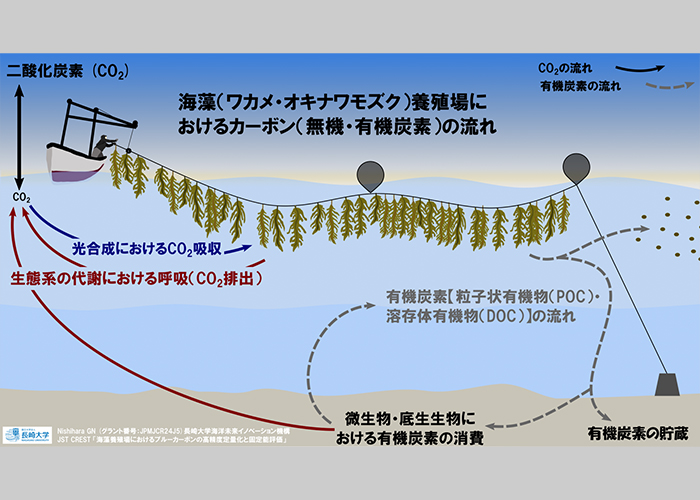
High-Precision Quantification and Assessment of Carbon Sequestration Capacity in Seaweed Farming Operations
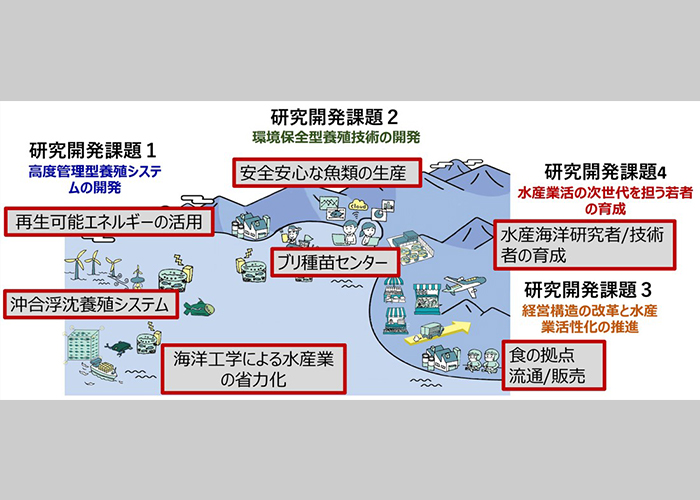
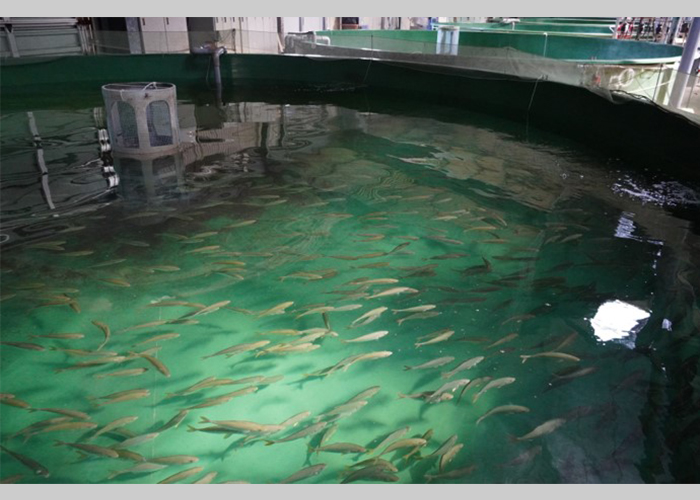
We conduct research on sustainable aquaculture production with the aim of promoting the industrialization of the aquaculture sector from three perspectives—“changing production methods,” “changing rearing methods,” and “changing work practices”—to establish aquaculture as a sustainable industry with low environmental impact, thereby contributing to the revival of fish consumption in Japan and the health of people worldwide.
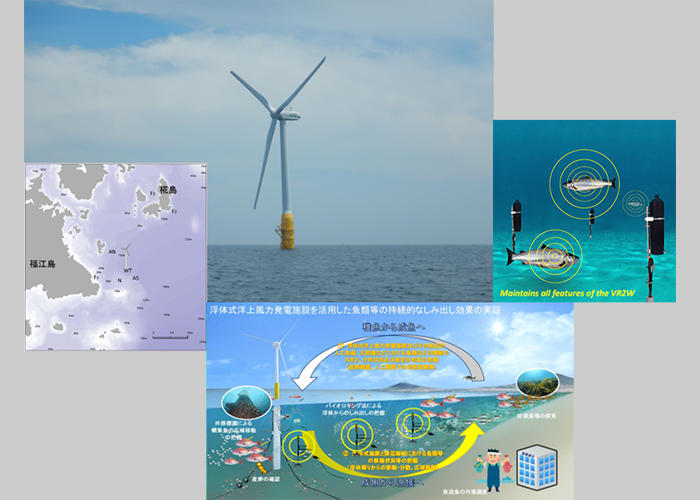
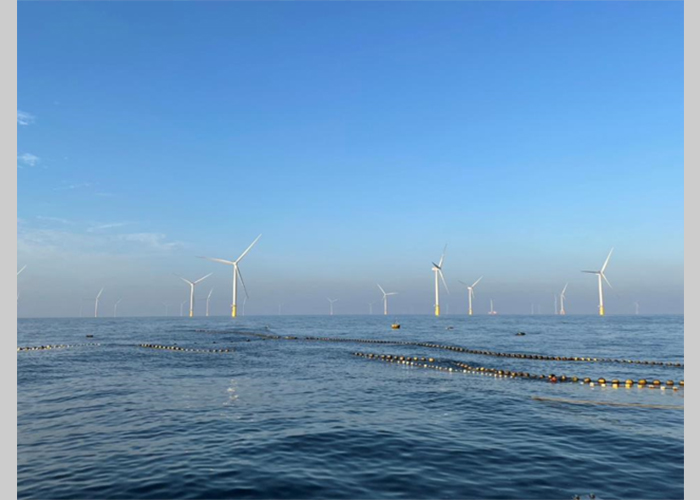
Offshore Wind Power and Its Impact on Fisheries:Examining the Effects of Wind Farm Development on Fisheries and Marine Life